
Explore Gir Forest National Park: Complete Safari & Travel Guide
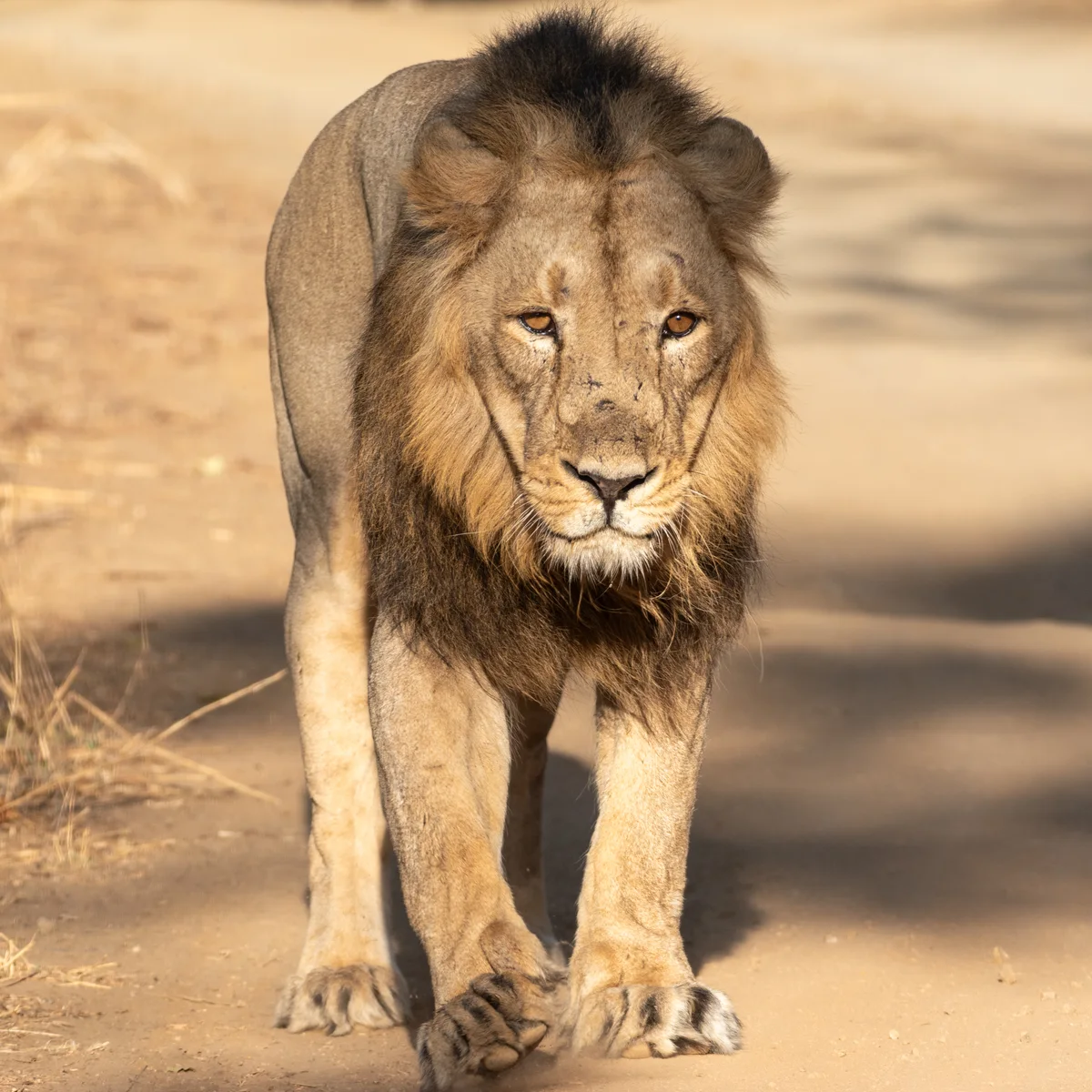
Gir National Park in Gujarat, India, is the only natural home of wild Asiatic lions in the world. Spanning 1,412.1 square kilometres, the sanctuary protects 674 wild Asiatic lions (2020 census), Indian leopards, and over 300 bird species across rugged jungle trails and the nearby Devalia Safari Park.
* Disclaimer & Mandatory Non-Affiliation Notice: GirForestSafari.in is an independent digital travel initiative operated by Adventure Paths India, an independent private agency and wildlife tour operator. We are not affiliated with, endorsed by, operated by, or officially associated with the Gujarat Forest Department or any government authority. All official permits must be obtained through its official portal: https://girlion.gujarat.gov.in.
Plan Your Trip Now
GirForestSafari.in • Digital Initiative by Adventure Paths India
Gir Forest Safari Experiences
Adventure Paths India provides ground logistics, open 4x4 Gypsy allocations, and certified eco-guides across Sasan Gir.
Gir Jungle Safari (Core)
Explore the wild forests of Sasan Gir across 8 official safari routes starting from Sinh Sadan. 3-hour open 4x4 Gypsy drives with licensed local guides.
Devalia Safari Park
A 412-hectare fenced eco-interpretation zone located 13 km from Sasan Gir. High wildlife sighting probability in 45-minute drives. Open year-round except Wednesdays.
Jeep Safari in Gir
For Gir National Park, there are 3 safari tours each day commencing at 6:30 AM, 9:30 AM, and 3:30 PM. We assist with authorized open 4x4 Suzuki Gypsies and licensed eco-guides.
Gir Jungle Safari vs. Devalia Safari Park
Not sure which safari experience is right for you? Compare both destinations side by side to choose the best option for your group.
Total Sanctuary Area
1,412.1 km² open wilderness
412 hectares (4.12 km²) fenced reserve
Safari Duration
3 Hours deep forest game drive
45 Minutes circuit drive
Lion Sighting Probability
Natural tracking (60% to 75% odds)
High sighting confidence (95%+ odds)
Vehicle Types Available
Open 4x4 Maruti Gypsy only
Open 4x4 Gypsy or Forest Dept Mini-Bus
Weekly Schedule
Open daily (Closed Jun 16 – Oct 15)
Open year-round (Closed every Wednesday)
Best For
Wildlife photographers, nature lovers
Families with young children, quick stops
About Sasan Gir National Park
Gir National Park, the only dwelling place of the endangered Asiatic lion other than Africa, was established on 18th September 1965 and is spread across 1,413 square kilometres of rugged land in the Saurashtra region of Gujarat, situated on the extreme west of India.
While the initial goal was to protect the dwindling Asiatic lions, Gir has grown into a thriving home for many kinds of animals and birds. Over 606 varieties of plants, 36 species of mammals, and approximately 300 types of birds live here.
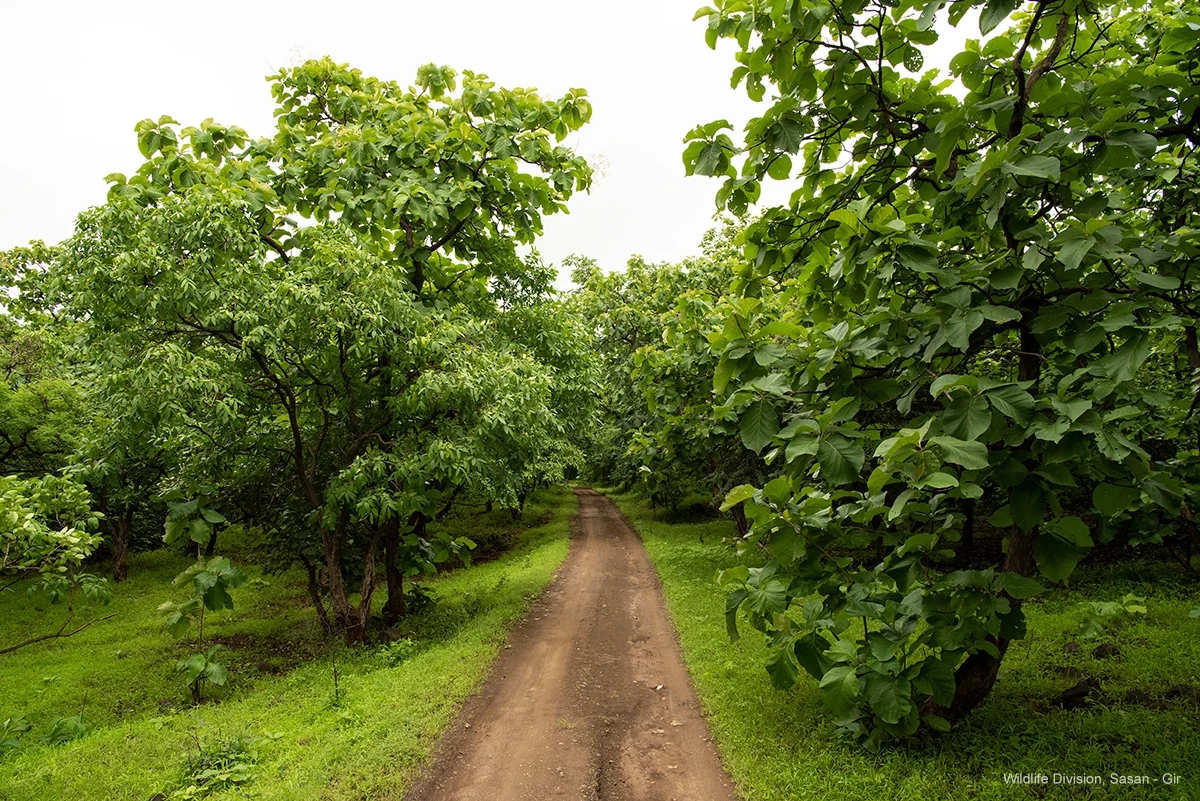
The thick teak forest and open plains help maintain a healthy natural balance in the semi-arid Saurashtra region. From the 2010 census recording 411 lions to recent counts documenting over 674 wild Asiatic lions, careful local conservation has saved these majestic big cats.
The Gir landscape also connects with other famous nature spots in Gujarat: Nalsarovar Lake (known for winter migratory birds) and the Rann of Kutch (home to the Indian Wild Ass).
The sanctuary sits in south-western Gujarat and features low hills, rocky riverbeds, and seven rivers that flow through dry teak woodlands and open grasslands.
The riverbanks provide vital shade and fresh water for lions and deer during hot summer afternoons.
Major Regional Attractions
- • Asiatic Lion Prides: The crown jewel of Indian wildlife
- • Kamleshwar Dam: Massive marsh crocodile reservoir
- • Crocodile Breeding Centre: Near Sasan Gir headquarters
- • Tulsishyam Temple: Ancient shrine with natural sulfur hot springs
- • Kankai Mata Temple: Sacred shrine in the core forest
- • Zamzir Waterfall: Spectacular rocky falls on the Hiran River
Gir National Park Information
Standard field specifications and park metrics
Sasan Gir National Park Area
1,413 Square Kilometres, situated 65 km south-east of Junagadh District, Gujarat.
Acknowledged Worldwide As
The Only Natural Home of the Endangered Asiatic Lion (Panthera leo persica).
Lion Population Benchmark
411 counted in 2010 census; expanded to over 674 wild lions in recent censuses.
Altitudes
Altitude varies from 150 to 530 metres above mean sea level.
Geographical Coordinates
Longitude: 70° 50' to 71° 15' East | Latitude: 20° 40' to 21° 50' North.
Temperature Range
Summer average reaches 45°C; nighttime falls 10°C below day. Winters moderately cool (10°C-25°C).
Average Rainfall
Average rainfall is 100 mm in western Gir and 650 mm in eastern Gir.
Best Time to Visit
November to March for pleasant weather; April to May for highest watering hole sightings.
Closed Period (Core Sanctuary)
16th June till 15th October every year due to rainy monsoon season. (Devalia Safari Park remains open year-round except Wednesdays).
How to Reach Gir National Park?
The Gir National Park is located at a distance of 65 km from Junagadh and 40 km from Veraval railway station. Sasan Gir is well connected by road and rail networks across Gujarat. Tourists can cover the route via private cabs, state transport buses, or personal vehicles. For airline travelers, Rajkot Airport (132 km) and Keshod Airport (50 km) connect with Mumbai and Delhi, while Ahmedabad International Airport (340 km) offers domestic and international flights.
Best Time to Visit Gir National Park
The wealth of flora and fauna at Gir is closed to visitors from June 16 to October 15 each year due to the monsoons. November to March is considered the most comfortable time to visit. However, April and May, despite being hot, offer unbeatable visibility as lions and leopards congregate near natural springs and water holes.
Gir National Park History
Since 1884, Gir has been the sole natural home of the Asiatic lion. During the British colonial era, British officers and local nobility engaged in extensive hunting expeditions (shikaar). The prowess of Maharajas and Nawabs was often measured by the tally of lions and tigers hunted.
In 1899, a devastating famine hit western India, causing lion numbers to plummet to fewer than twenty survivors. Visiting Viceroy Lord Curzon cancelled a scheduled lion shoot upon learning of their precarious numbers and urged the Nawab of Junagadh to protect the remaining individuals.
The Nawab enacted strict hunting bans and habitat guards. Following Indian independence, hunting was formally abolished in 1960, replacing guns with cameras. In 1965, the sanctuary was notified, creating the enduring protected haven we admire today.
Flora & Fauna of Gir National Park
Flora of Gir Forest
Gir's topography comprises diverse flora ranging from dry deciduous forests, semi-evergreen belt along rivers, savannah grasslands, and thorny scrub. Deciduous teak (Tectona grandis) forms nearly half the sanctuary's woodland canopy.
Broad-leaved evergreen and fruiting trees include Flame of the Forest (Khakro/Dhak), Jamun, Tendu (Timru), Babool, Banyan (Vad), Acacia, and Zizyphus (Ber). Other species include Dhavdo, Umro, Simal, Kalam, Amla, Bamboo, and Salian. Deciduous trees shed foliage during March-April, whereas evergreen groves along the Hiran, Shetrunji, and Machhundri rivers provide perennial moisture and refuge.
Fauna of Gir Forest
The Asiatic Lion is the undisputed king of Gir, living in matriarchal prides with male alliances. Gir also harbors one of the densest wild leopard populations in India, with over 300 leopards stalking the rocky hill tracks.
Need Local Assistance with Open 4x4 Gypsies?
While official entry permits are issued directly by the Gujarat Forest Department on their portal, finding an authorized open 4x4 Gypsy, coordinating boarding times at Sinh Sadan, and ensuring an experienced local driver can be overwhelming on arrival. Adventure Paths India simplifies your entire visit.
Frequently Asked Questions
Start Planning Your Gir Safari Journey
Get honest local advice, check safari timings, book comfortable resorts, and travel with trusted local drivers.